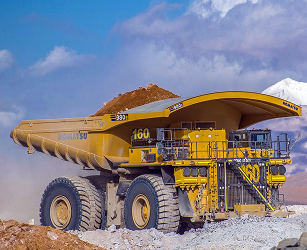
When I investigate an excavator that overheats under load, I first look for a mismatch between heat generation and cooling capacity. The most common causes are restricted radiator or cooler airflow, low or contaminated coolant, a weak fan or belt, thermostat or water-pump faults, excessive hydraulic heat, and attachments that demand more power than the machine can efficiently dissipate. The problem often appears only during digging because engine and hydraulic loads rise sharply while airflow and coolant circulation remain limited.
!
Key Takeaways
- Excavator overheating under load usually indicates restricted cooling capacity, excessive heat production, or both.
- A dirty radiator can reduce airflow enough to cause temperature rise during full-power digging.
- Overheating at full engine speed differs from hydraulic oil overheating during continuous work.
- Safe diagnosis requires temperature, pressure, airflow, fan-speed, and hydraulic-system checks.
- Stop operating before coolant loss, cylinder-head damage, or repeated thermal shutdown occurs.
Why Does My Excavator Engine Overheat Under Load?
The engine produces more heat when it works against heavy digging resistance, high travel demand, or continuous hydraulic flow. At the same time, the cooling system must transfer that heat through the coolant, radiator, fan, and surrounding airflow. If the radiator is blocked, coolant circulation is weak, or the fan cannot move enough air, the temperature may remain normal at idle but climb steadily during production work.
A second possibility is excessive heat from the hydraulic system. Hydraulic oil can become hot when a relief valve leaks, a pump operates against excessive resistance, a filter is restricted, or an attachment requires more flow and pressure than the machine is designed to provide. I separate engine coolant overheating from hydraulic overheating before replacing parts because the two problems can produce similar warning symptoms but require different tests.
| Operating pattern | More likely area | First checks |
|---|---|---|
| Temperature rises at full RPM, even without heavy hydraulic work | Engine cooling system | Radiator, fan, belt, coolant level, thermostat |
| Temperature rises during digging but falls at idle | Cooling capacity or hydraulic heat | Radiator airflow, hydraulic oil temperature, relief pressure |
| Hydraulic oil becomes hot while engine coolant remains stable | Hydraulic system | Oil cooler, pump, relief valve, filter, flow rate |
| Temperature rises after several minutes in dust | Airflow restriction | Radiator fins, screens, fan shroud, cooler stack |
| Coolant level drops repeatedly | Leak or combustion-gas problem | Hoses, water pump, radiator, pressure test, exhaust smoke |
What Causes an Excavator Engine to Overheat Under Load?
Low or contaminated coolant
Low coolant reduces the amount of liquid available to carry heat away from the cylinder head and engine block. I check the level only after the machine has cooled and compare it with the manufacturer’s specified cold-fill mark. Coolant that appears rusty, oily, sludged, or heavily discolored may indicate corrosion, incompatible coolant, internal contamination, or neglected service intervals.
A low level may result from an external leak at a hose, radiator seam, water-pump seal, drain plug, or heater circuit. It can also indicate an internal leak, especially when the level drops without visible wetness. Repeatedly adding coolant without identifying the loss can leave air pockets in the system and create localized overheating around the cylinder head.
Restricted radiator or cooling passages
Dirty excavator radiator symptoms commonly include temperature rise in dusty conditions, reduced cooling at low fan speed, visible debris between radiator layers, and improved performance after cleaning. Excavators often have a radiator, hydraulic oil cooler, charge-air cooler, and protective screen positioned close together. Material trapped between these layers can block airflow even when the outer surface looks clean.
I clean the cooling stack from the clean-air side toward the dirty side when the service manual permits it, using controlled air or water pressure. Excessive pressure applied too closely can bend fins and reduce the open-air area. If more than 10% of the fin field is bent, blocked, or damaged, cleaning alone may not restore adequate airflow, and the radiator or cooler may require repair.
Thermostat failure or restricted coolant circulation
Excavator thermostat failure symptoms include slow warm-up, unstable temperature, overheating after several minutes of heavy work, or a large temperature difference between coolant hoses. A thermostat stuck closed restricts flow through the radiator, while one stuck open can prevent the engine from reaching its intended operating temperature. I do not condemn a thermostat based only on hose temperature because hose behavior varies by engine design and ambient conditions.
A thermostat should be tested against the opening temperature and full-open specification listed for that engine. If the opening point is outside the specified tolerance, replacement is appropriate. I also inspect the thermostat housing, gasket, bypass passage, and nearby coolant passages because a new thermostat cannot correct a blocked or incorrectly assembled housing.
Water-pump failure
Water pump failure signs may include coolant leakage near the pump shaft, bearing noise, damaged impeller blades, weak circulation, or overheating that becomes worse as engine speed changes. Some pumps can leak through a weep hole before the bearing becomes noisy, while others fail internally because the impeller is corroded or separated from the shaft. A visual inspection alone cannot confirm adequate coolant flow.
I check for pump leakage, pulley play, belt alignment, and evidence of impeller damage. On some engines, coolant circulation can be assessed through temperature behavior or a service-port test, but the exact procedure is model-specific. If the pump is removed, I inspect the impeller, seal, housing, and corrosion around the passages rather than replacing only the visible seal.
Fan, belt, shroud, or fan-control faults
The cooling fan must move enough air through the radiator at the same time the engine is producing maximum heat. A loose belt, worn tensioner, damaged fan blade, missing shroud, weak viscous clutch, or faulty hydraulic fan motor can reduce airflow without causing an immediate warning. Fan speed should be measured where possible and compared with the service specification at the relevant engine speed.
The fan shroud is part of the airflow system, not just a protective cover. Gaps, cracks, or incorrect installation can allow air to circulate around the radiator instead of through it. I also inspect screens, louvers, and automatic reversing-fan controls because a fan that operates in the wrong direction or fails to reverse can collect debris rapidly.
How Does an Excavator Cooling System Work?
An excavator cooling system transfers combustion heat from the engine to the coolant, then from the coolant to the radiator tubes and fins. The water pump circulates coolant, the thermostat regulates warm-up and operating temperature, and the radiator cap controls system pressure within its rated range. The fan and shroud draw or push air through the radiator, while separate oil and charge-air coolers may share the same airflow path.
Pressure raises the coolant boiling point, which helps prevent vapor pockets during heavy operation. A damaged radiator cap can allow premature boiling or coolant loss even when the radiator, pump, and thermostat are functional. I use a cooling-system pressure tester and cap tester according to the machine’s specified pressure rather than applying an arbitrary value.
Check for a Dirty or Blocked Radiator
I begin with a visual inspection before removing components. The inspection includes the outer screen, radiator face, cooler gaps, fan shroud, fin condition, and any buildup of seed material, clay, oil, or compressed dust. I compare the temperature across the cooler face with an infrared thermometer, while remembering that surface readings are comparative indicators rather than a replacement for the machine’s coolant sensor.
A useful inspection sequence is:
- Park the excavator safely, lower the attachment, stop the engine, and allow the cooling system to cool.
- Remove accumulated debris from screens and access panels.
- Inspect both sides of the radiator and cooler stack with a light.
- Clean from the appropriate direction using controlled air or water pressure.
- Check for bent fins, oil contamination, missing seals, and airflow bypass points.
- Recheck operating temperature under the same work conditions.
If the machine cools normally after cleaning but overheats again within a short operating period, I look for an oil leak, failed dust protection, incorrect fan operation, or excessive hydraulic heat. A clean radiator does not prove that the thermostat, water pump, or coolant passages are working. It only removes one major restriction from the diagnostic process.
Inspect the Thermostat, Water Pump, and Coolant Flow
After checking coolant level and radiator condition, I inspect the thermostat, pump, belt drive, hoses, and pressure cap. I look for collapsed hoses, internal hose delamination, external leaks, belt slippage, and coolant stains around the pump. The engine should be tested against manufacturer specifications for coolant temperature, pressure, thermostat opening, and fan operation.
I use a pressure tester to identify leaks and a combustion-gas test when internal leakage is suspected. Persistent bubbles, pressurized hoses shortly after a cold start, white exhaust smoke, unexplained coolant loss, or coolant contamination can indicate a cylinder-head gasket, cylinder-head, or liner problem. These symptoms require professional diagnosis because repeated operation can turn a cooling-system repair into an engine rebuild.
Could the Hydraulic System Be Causing Excess Heat?
Excavator hydraulic system overheating under load often appears when the operator performs continuous digging, uses a breaker, travels uphill, or holds a function against resistance. Hydraulic heat is created when power is converted into fluid friction, leakage, or pressure loss. A relief valve that leaks continuously, a restricted return filter, a worn pump, or an undersized attachment can raise oil temperature without directly causing engine coolant to overheat.
I compare engine coolant temperature and hydraulic oil temperature during the same operating cycle. If coolant remains within specification while hydraulic oil rises, I focus on the oil cooler, pump efficiency, relief-valve leakage, filter restriction, and hydraulic flow. If both temperatures rise, I inspect shared airflow restrictions and consider whether hydraulic heat is adding demand to an already marginal engine cooling system.
Model-neutral testing should include the following measurements, with final limits taken from the service manual:
| Test | Tool | What the result helps identify |
|---|---|---|
| Coolant temperature | Calibrated scan tool or contact probe | Sensor accuracy and true operating temperature |
| Cooling-system pressure | Pressure tester | External leaks, cap faults, and pressure loss |
| Fan speed | Optical or electronic tachometer | Belt, clutch, motor, and control problems |
| Radiator airflow | Anemometer or comparative airflow test | Blocked fins, shroud leaks, and weak fan output |
| Hydraulic pressure | Rated hydraulic pressure gauge | Relief setting, overload, and restriction issues |
| Hydraulic flow | Flow meter with correct rating | Pump output and attachment demand |
| Hydraulic oil temperature | Temperature probe or diagnostic system | Oil cooler and heat-generation problems |
Why Does My Excavator Overheat Only Under Load?
Load-specific overheating occurs because the engine produces more combustion heat when operating near maximum torque, while the hydraulic pump may simultaneously consume substantial power. At idle, the engine creates less heat and the machine may have enough cooling reserve to recover. This is why a failed component can remain unnoticed during yard checks but appear during trenching, lifting, or continuous attachment work.
The timing of the temperature rise provides useful evidence. A rapid rise at full RPM suggests restricted airflow, fan failure, low coolant, or poor coolant circulation, while a gradual rise during repeated hydraulic functions points toward accumulated hydraulic heat or insufficient oil cooling. If the gauge returns toward normal within several minutes at idle, the cooling system may be operating but lacking capacity under the selected load.
Safe Shutdown and Repair Decisions
Is it safe to keep operating an excavator when it overheats? I treat repeated overheating as unsafe until the cause is identified. I stop the work, move the attachment to a stable position, reduce the load, and follow the machine’s shutdown procedure rather than continuing until the warning light becomes severe.
I never remove a radiator cap while the system is hot, pour cold water into a hot engine, or stand over the cap during inspection. Sudden pressure release can cause scalding, and rapid temperature change can damage engine components. After the machine cools, I check for leaks, record the gauge behavior, inspect the coolant level, and arrange testing before returning to heavy work.
Professional diagnosis is required when the engine overheats after cleaning, coolant pressure rises abnormally, coolant disappears, exhaust smoke changes, oil and coolant mix, hydraulic pressure is outside specification, or the fan-control system cannot be tested safely. Replacing a thermostat or radiator without confirming the fault can create unnecessary cost and leave the original problem unresolved.
Parts Planning for Excavator Cooling Repairs
When I source replacement components, I match the part to the excavator model, engine serial number, component number, and operating conditions. The cooling repair may involve an Aftermarket Engine System Parts supplier, an original-equipment channel, or a verified alternative, but compatibility must be confirmed before ordering. Important details include radiator dimensions, cap pressure, hose routing, thermostat opening temperature, water-pump design, fan type, belt length, and connector configuration.
Voight Song supplies construction machinery parts across engine, cooling, hydraulic, electrical, transmission, undercarriage, and maintenance categories. Its parts-identification process can use a part number, machine model, serial number, nameplate, or old-part photograph, which is useful when a fleet contains multiple excavator brands. The company reports more than 20 years of industry experience, over 20,000 stock-keeping units, and a 5,000-square-meter warehouse, but I would still verify every replacement against the machine’s technical data before installation.
Best Ways to Prevent Excavator Overheating
Preventive maintenance should combine cleaning, measurement, and operating discipline. I inspect radiator screens and cooler faces daily in dusty conditions, check coolant level at the recommended interval, examine belts and hoses, and record temperature behavior during representative work. A maintenance log that includes ambient temperature, attachment type, engine speed, hydraulic function, coolant temperature, and hydraulic oil temperature makes recurring patterns easier to identify.
I also avoid holding hydraulic functions against the relief valve, use attachments within the excavator’s rated flow and pressure range, and keep engine covers and airflow panels correctly installed. Cooling-system cleaners should only be used when contamination or internal scale is confirmed and when the product is compatible with the coolant, seals, and metals in the system. Flushing without correcting the cause of contamination may provide only temporary improvement.
Conclusion
Why does my excavator engine overheat under load? The most likely explanation is that heavy engine and hydraulic demand produces more heat than the cooling system can remove. I would inspect coolant level and condition, radiator and cooler airflow, fan speed, belt condition, thermostat operation, water-pump circulation, and hydraulic oil temperature in that order.
The safest next step is to stop repeated overheating, allow the machine to cool naturally, document the operating pattern, and perform measured tests before replacing parts. If cleaning restores normal temperature only briefly, or if coolant loss, pressure abnormalities, or hydraulic heat remain, professional diagnosis is necessary. A model-specific inspection using the correct engine and cooling components can prevent cylinder-head damage, hydraulic-system deterioration, and longer downtime.