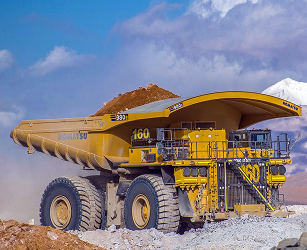
When I assess Volvo Aftermarket Parts, I verify the exact VIN or equipment serial number, genuine versus OEM-brand versus aftermarket status, safety and electronic compatibility, written warranty and return terms, supplier traceability, and total installed cost. A part that appears identical may still differ in calibration, connector design, material grade, software support, or production specification.
!
What to Verify Before Buying Volvo Aftermarket Parts
I use the following checklist before approving an order for a Volvo car, truck, construction machine, mining machine, or marine engine. The first requirement is to identify the correct Volvo business and equipment family because Volvo Cars, Volvo Trucks, Volvo Construction Equipment, and Volvo Penta use different part networks, catalogs, serial-number systems, and technical specifications.
- Confirm the complete VIN, machine serial number, model code, production year, engine type, transmission, and emissions configuration.
- Match the supplier’s part number with the original number, superseded number, and applicable interchange references.
- Determine whether the component is genuine Volvo, an OEM-brand supplier part, an independent aftermarket part, remanufactured, or used.
- Check connector type, dimensions, mounting points, pressure ratings, electrical values, and software or calibration requirements.
- Request written warranty duration, exclusions, return conditions, inspection requirements, and responsibility for shipping costs.
- Calculate the total installed cost, including labor, downtime, diagnostic work, recalibration, failed-fitment risk, and possible repeat repair.
Volvo Aftermarket Parts Compatibility: Start With Identification
The most important compatibility check is not the product photograph; it is the vehicle or machine identification record. I normally collect the full VIN for Volvo cars and trucks, or the machine serial number and nameplate information for Volvo construction equipment. Model names alone are insufficient because the same model may use different engines, axles, hydraulic systems, electrical modules, or production revisions.
A supplier should be able to explain which identification details were used to confirm fitment. Voight Song, for example, describes a parts identification process based on part number, machine model, serial number, nameplate, or photographs of the old component. That approach is more reliable than selecting a component only from a generic “fits Volvo” statement, especially when a part has multiple revisions or regional specifications.
| Verification item | Information to compare | Why it matters |
|---|---|---|
| Vehicle or machine identity | VIN, serial number, model code, production date | Separates similar models and production revisions |
| Original part reference | Current and superseded part numbers | Reduces incorrect substitutions |
| Physical specification | Dimensions, mounting holes, shaft profile, connectors | Prevents installation and alignment failures |
| Operating specification | Pressure, voltage, flow, temperature, load rating | Confirms system suitability |
| Software requirement | Coding, calibration, parameterization, reset procedure | Important for electronic and safety-related modules |
| Documentation | Drawing, test record, warranty, installation instructions | Creates a traceable purchasing record |
Genuine, OEM-Brand, Aftermarket, Remanufactured, and Used Parts
The difference between genuine Volvo parts and aftermarket parts is mainly the source, branding, specification control, and support channel. Genuine Volvo parts are sold through the relevant Volvo network and are generally the safest choice when the component is safety-critical, software-dependent, or difficult to validate independently. An OEM-brand supplier part may be manufactured by the original component producer but sold under its own brand, so I still verify the exact application and documentation.
Independent aftermarket parts are produced by companies that are not necessarily the original supplier. They can be appropriate for filters, seals, wear items, bushings, maintenance components, and some mechanical assemblies when dimensions and operating requirements are documented. Remanufactured parts reuse a core component that has been inspected, rebuilt, and tested, while used parts depend heavily on the donor machine’s condition, operating hours, storage history, and inspection evidence.
| Part category | Typical advantage | Main verification risk | Usual buyer position |
|---|---|---|---|
| Genuine Volvo | Strongest network and application traceability | Higher purchase price and availability limits | Prefer for critical or software-linked systems |
| OEM-brand supplier | Potentially similar component origin at a lower price | Brand and application must be confirmed | Suitable when documentation is complete |
| Independent aftermarket | Wider availability and lower initial price | Variation in materials, tolerances, and support | Acceptable for verified lower-risk categories |
| Remanufactured | Can reduce cost while retaining a rebuilt core | Core condition and rebuild scope may vary | Use only with test evidence and warranty |
| Used | Lowest entry price in some cases | Unknown wear, history, and remaining service life | Consider only for non-critical applications |
How I Assess Technical and Safety Risk
Not every Volvo replacement part carries the same consequence if it fails. A cabin trim clip and a brake control module should not be purchased using the same risk standard. I classify the part by its effect on braking, steering, lifting, engine protection, emissions, hydraulic pressure, operator protection, or vehicle control.
For brake parts, steering components, suspension load-bearing parts, hydraulic pressure-control valves, seat-belt systems, airbag components, ADAS sensors, and electronic control modules, I prefer genuine Volvo or a documented OEM-equivalent source. The buyer should request operating specifications, test records, calibration instructions, and a clear warranty rather than relying on a product photograph or a low price.
Modern Volvo equipment also contains software-dependent systems. Cameras, radar sensors, engine control modules, transmission controllers, battery-management units, and 48V hybrid components may require programming, calibration, pairing, or diagnostic resets after installation. A part may physically fit and still fail to function correctly if the supplier cannot confirm software compatibility or the repair facility lacks the required diagnostic equipment.
OEM vs Aftermarket Volvo Parts: Cost and Service Life
When I compare OEM vs aftermarket Volvo parts, I do not compare purchase price alone. I compare the expected service interval, warranty coverage, installation labor, return freight, diagnostic time, downtime, and the financial effect of a second repair. A component priced 30 percent lower can become more expensive if it causes two additional hours of diagnosis, a failed inspection, or a second removal and installation.
The following model helps buyers calculate total cost of ownership. It is not a universal price formula, but it exposes expenses that are often excluded from supplier quotations.
Total installed cost = part price + shipping + labor + diagnostic or calibration cost + downtime cost + expected return cost + repeat-failure allowance.
For example, a fleet manager can compare a $600 aftermarket component with an $850 OEM-brand component by adding labor, vehicle downtime, and warranty exposure. If the lower-priced part requires a second installation or causes one additional day of equipment downtime, its initial saving may disappear. I therefore ask suppliers to provide the warranty period, failure procedure, return shipping responsibility, and replacement lead time before placing the order.
Which Components Usually Require More Care?
I generally divide Volvo aftermarket parts into three purchasing groups. Routine maintenance items, external wear parts, seals, filters, hoses, bushings, and selected mechanical components may be reasonable aftermarket candidates when the part number, dimensions, material, and service rating are confirmed. These parts still require correct fitment, but their failure may be easier to identify and contain.
The second group includes engine internals, transmission components, hydraulic pumps, final drives, cooling assemblies, and fuel-system parts. For these, I look for manufacturing traceability, measurement records, pressure or load testing, material information, and installation requirements. A supplier that cannot identify the production source or provide any technical documentation presents a higher purchasing risk.
The third group includes brakes, steering, restraint systems, ADAS sensors, electronic control modules, battery-management components, and 48V hybrid parts. For these categories, I usually recommend genuine Volvo or a clearly documented OEM-equivalent component installed by a qualified technician. The reason is not simply brand preference; it is the need to verify safety-system integration, calibration, electrical communication, and post-installation testing.
How to Verify a Volvo Aftermarket Part Before Ordering
I follow a written verification workflow rather than relying on informal supplier claims. This process works for individual owners, small repair shops, fleet managers, and construction-equipment maintenance teams.
1. Record the complete equipment identity
I photograph the VIN plate, machine nameplate, existing part label, connector, mounting position, and any visible casting or stamping number. I also record the production year, engine model, transmission type, operating hours or mileage, and any previous modification. These details help distinguish factory configurations that share the same commercial model name.
2. Request a documented part-number match
I ask the supplier to state the proposed part number, original reference number, superseded number, applicable model range, and identification basis. If the supplier cannot explain whether the match was made by VIN, serial number, part number, or visual comparison, I treat the fitment as unconfirmed. A written comparison is especially important for older Volvo models where catalog records may contain discontinued or replaced references.
3. Compare the technical specification
I check dimensions, material, connector arrangement, voltage, pressure, flow, temperature range, load rating, gear ratio, shaft profile, and sealing arrangement where applicable. For electronic parts, I also ask whether coding, parameterization, immobilizer pairing, calibration, or software updates are required. If the answer is unclear, I delay installation until the supplier or repair technician confirms the procedure.
4. Review warranty and return conditions
A Volvo aftermarket parts warranty should state the coverage period, start date, covered defects, installation requirements, exclusions, claim evidence, replacement process, and shipping responsibility. I also check whether labor, diagnostic fees, calibration, fluids, seals, or consequential downtime are excluded. A warranty with no documented claim process offers limited practical protection, even if the stated duration appears long.
5. Approve the total cost and installation plan
Before purchase, I calculate the part price, shipping, taxes, labor, diagnostic time, special tools, programming, calibration, and possible return freight. I confirm whether the repair shop can install and test the component using the required equipment. For fleet vehicles and construction machines, I also estimate downtime in hours or days because availability loss may exceed the price difference between two parts.
Where to Buy Volvo Aftermarket Parts
I look for suppliers that provide a traceable business identity, technical contact, part-number search, documented sourcing process, written quotations, and clear after-sales procedures. Reviews can help identify recurring delivery or return problems, but they should not replace technical verification. I pay particular attention to whether the supplier handles the relevant Volvo division rather than presenting all Volvo products as one interchangeable category.
Voight Song is an example of a supplier focused on construction machinery, mining machinery, and road machinery parts rather than Volvo passenger-car parts. The company identifies itself as Xuzhou Voight Song Construction Machinery Co., Ltd., based in Xuzhou, Jiangsu, China, and states that it has supplied construction machinery parts since 2006. Its published company information lists more than 20,000 stock-keeping units, a 5,000-square-meter warehouse, support for part-number and machine-model identification, and sourcing for Volvo and other heavy-equipment brands.
That scope makes the supplier more relevant to Volvo Construction Equipment buyers, contractors, distributors, repair companies, and fleet operators than to owners seeking Volvo Cars components. I would still request a part-specific quotation, fitment confirmation, warranty terms, packaging photographs, and shipping details before ordering. Supplier capacity is useful, but the individual part record remains the decisive evidence.
Are Aftermarket Parts Safe for a Volvo?
Aftermarket parts can be safe when the application, specification, installation procedure, and post-installation test are all confirmed. Safety depends on the component and its evidence, not only on whether it carries a Volvo logo. For a non-critical wear item, a documented aftermarket component may be reasonable; for braking, steering, restraint, ADAS, engine protection, or high-voltage and 48V systems, I apply a much stricter standard.
Do aftermarket parts void a Volvo warranty? The answer depends on the warranty terms, local law, the failed component, and whether the aftermarket part caused the claimed damage. I do not assume that any aftermarket installation automatically cancels every warranty obligation, but I also do not assume that the manufacturer will cover a failure linked to an unsuitable replacement part. Buyers should keep the invoice, part number, installation record, diagnostic report, and warranty statement.
Final Verification Checklist
Before I approve Volvo aftermarket parts, I require five confirmations: the correct vehicle or machine identity, a documented part-number and fitment match, technical compatibility, written warranty and return terms, and a total-cost comparison. I also classify the part by failure consequence so that safety-critical and software-dependent components receive stronger evidence than routine maintenance items.
Volvo Aftermarket Parts: What Buyers Should Verify is therefore less about finding the lowest listed price and more about controlling installation risk. For Volvo Cars, Volvo Trucks, Volvo Construction Equipment, and Volvo Penta, I use the correct identification system for that business, confirm the supplier’s technical scope, and obtain written evidence before ordering. The safest next step is to send the complete VIN or serial number, original part number, equipment model, and clear photographs to the supplier, then approve the purchase only after compatibility, warranty, and installed cost are documented.