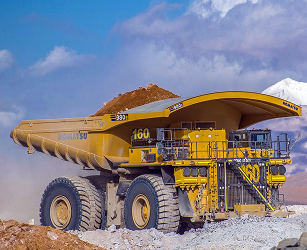
The Top Causes of Undercarriage Failure on Dozers are incorrect track tension, packed debris, abrasive soil, severe operating techniques, and delayed replacement of worn components. These causes increase contact stress across track chains, rollers, idlers, sprockets, pins, bushings, shoes, and grousers. I recommend identifying the root cause before replacing parts because a new component can fail quickly when the operating condition remains unchanged.
- Incorrect track tension accelerates chain, roller, idler, and sprocket wear; measure and adjust it to the machine specification.
- Packed mud, rocks, and debris restrict component movement and increase loading; clean the undercarriage during every shift.
- Abrasive soil and high-impact work remove metal from pins, bushings, shoes, and rollers; reduce exposure or shorten inspection intervals.
- Pivot turns, side slopes, high speed, and aggressive pushing create uneven loading; use operating techniques suited to the terrain.
- Delayed repairs allow one worn component to damage matched components, increasing downtime, labor, and replacement cost.
!
What Dozer Undercarriage Failure Means
I define dozer undercarriage failure as the point where one or more crawler components can no longer maintain the required track guidance, load support, adjustment range, or operating safety. Normal dozer undercarriage wear develops gradually through contact between chains, rollers, idlers, and sprockets. Failure occurs when wear, cracking, looseness, seizure, breakage, or misalignment causes abnormal operation or creates a risk of secondary damage.
The difference between wear and failure matters for maintenance planning. A track shoe with reduced grouser height may still operate within a planned replacement window, while a loose track chain, seized roller, cracked shoe, or severely hooked sprocket can create rapid damage. I use component measurements, operating symptoms, maintenance history, and the machine manufacturer’s service limits together rather than relying on visual appearance alone.
Top Causes of Undercarriage Failure on Dozers
1. Incorrect Track Tension
Track tension is one of the most common root causes of dozer undercarriage failure. A track adjusted too tightly increases rolling resistance and contact pressure, which can accelerate wear on track chains, pins, bushings, rollers, idlers, and final-drive components. Excess tension also increases heat and can reduce the adjustment range available when the track elongates.
A track that is too loose creates a different set of problems. It may slap against the frame, derail during turning, shift laterally, and place abnormal loads on the idler, recoil system, track chain, and sprocket teeth. Before adjusting tension, I clean the track frame, position the machine on suitable ground, follow the manufacturer’s measurement location, and compare the measured sag or clearance with the model-specific specification.
2. Packed Mud, Rocks, and Debris
Daily contamination is a major contributor to dozer undercarriage problems and solutions. Mud packed between the track chain and rollers increases resistance, while rocks trapped near the sprocket or idler can create localized impact loads. Frozen material can be especially damaging because it becomes a rigid obstruction rather than a soft contaminant.
Cleaning should occur at the end of each shift and during long work cycles in wet or rocky conditions. I inspect the track frame, roller flanges, idler area, sprocket pockets, guards, and shoe openings with the machine safely parked. Removing debris early prevents contamination from masking cracks, restricting roller rotation, or changing the effective track tension.
3. Abrasive Soil and Severe Operating Conditions
Sand, crushed rock, highly abrasive soil, and certain mining materials can remove metal from pins, bushings, roller flanges, sprocket teeth, and track shoes. Abrasive particles enter contact surfaces and act like grinding media, increasing the rate of external and internal wear. Under these conditions, standard inspection intervals may be too long for the actual duty cycle.
Side slopes also create uneven loading because the machine’s weight is distributed differently across the left and right track assemblies. Repeated pivot turns increase sliding and side thrust, particularly when one track is stopped while the other moves. High-speed travel, long-distance travel, and heavy impact against buried rock can produce faster wear than low-speed straight-line pushing on well-prepared ground.
4. Aggressive Operating Techniques
Operator behavior directly affects undercarriage life. Repeated counter-rotation, abrupt direction changes, high-speed travel over rough ground, and pushing with one corner of the blade can load the undercarriage unevenly. Working across a slope instead of along a stable travel path can also increase side loading on rollers, idlers, track guides, and shoes.
I train operators to limit unnecessary pivot turns, reduce speed on rough terrain, avoid spinning tracks, and keep the blade load balanced when conditions allow. Operators should also report unusual vibration, clicking, derailment, steering resistance, or track wandering immediately. Early reporting can convert a planned adjustment into a smaller repair before the problem reaches the final drive or main frame.
5. Delayed Replacement of Worn Components
Worn components rarely operate in isolation. A worn sprocket can accelerate chain bushing wear, while an elongated chain can produce poor tooth engagement and increase sprocket damage. A seized roller can create flat spots and overload adjacent rollers, and a worn idler can reduce track guidance and increase derailment risk.
The fastest cost escalation usually occurs when a known defect is left in service during demanding work. I prioritize repairs by examining the potential for cascade damage, the machine’s upcoming workload, and the availability of matched parts. Replacing one component may be appropriate when wear is localized, but paired or matched replacement is often more suitable when contact surfaces have worn together.
How Dozer Undercarriage Wear Develops Across Major Components
The track chain, pins, and bushings usually show wear through pitch elongation, loose joints, reduced bushing diameter, or abnormal clearance. Sprocket teeth may become pointed, hooked, or unevenly worn when chain engagement is poor. Track shoes and grousers lose height through contact with the ground, while bent or cracked shoes can affect traction and track alignment.
Rollers should rotate freely without excessive leakage, roughness, abnormal noise, or visible flat spots. Idlers require inspection for flange wear, cracking, leakage, and incorrect alignment. I also check the recoil mechanism, track guides, guards, bolts, and final-drive seals because supporting components can influence track stability even when the chain itself appears serviceable.
| Component | Common warning sign | Likely consequence | First action |
|---|---|---|---|
| Track chain, pins, and bushings | Excessive pitch, looseness, or joint movement | Poor sprocket engagement and derailment risk | Measure chain pitch and inspect joints |
| Rollers | Seized rotation, leakage, noise, or flat spots | Increased resistance and uneven loading | Clean, rotate, measure, repair, or replace |
| Idlers | Flange wear, leakage, cracks, or misalignment | Track wandering and guide wear | Inspect alignment and recoil condition |
| Sprockets | Hooked, pointed, or uneven teeth | Accelerated chain wear | Compare tooth profile and chain condition |
| Track shoes and grousers | Cracks, bent shoes, low grouser height | Reduced traction and structural risk | Check bolt torque, shoe condition, and wear |
A Practical Dozer Undercarriage Inspection Checklist
I start a dozer undercarriage inspection with a walk-around before the machine moves. I look for missing or loose shoe bolts, cracked shoes, damaged guards, oil leakage, packed material, loose track sections, and visible differences between the two sides. The machine should be parked securely, with the engine stopped when hands or tools are near moving components.
Next, I inspect each roller and idler for rotation, leakage, flange damage, and unusual contact marks. I examine sprocket teeth for hooking, uneven wear, or poor chain engagement, then inspect the track chain for stretched pitch, loose joints, damaged pins, and bushing wear. Measurements should be recorded with the machine model, serial number, operating hours, side of the machine, and date.
A practical inspection schedule includes the following actions:
- Every shift: Remove mud, rocks, and debris; check for leaks, cracks, loose bolts, unusual noise, and visible track looseness.
- Weekly or at the fleet interval: Inspect rollers, idlers, sprockets, shoes, track guides, guards, and recoil components more closely.
- At scheduled service intervals: Measure track pitch, bushing diameter, sprocket profile, roller diameter, idler wear, shoe height, and grouser height according to the service manual.
- After severe events: Inspect immediately after derailment, impact with buried rock, sudden steering problems, or operation on steep side slopes.
- Before major work: Compare measurements with manufacturer limits and prepare replacement components before a planned shutdown.
The correct track tension cannot be determined safely from a universal number because dozer models use different track designs, frames, and measurement points. I use the manufacturer’s service specification and the correct adjustment procedure instead of tightening the track until it appears visually firm. If the track requires frequent adjustment, I investigate chain elongation, recoil problems, debris buildup, and measurement technique rather than repeatedly adding grease.
How to Prevent Dozer Undercarriage Failure
The best prevention plan combines correct adjustment, cleaning, inspection, operating control, and replacement planning. I set inspection intervals according to hours, material, terrain, and duty cycle rather than using the calendar alone. A dozer working in abrasive quarry material or wet clay may require more frequent checks than a machine working on clean, compact soil.
Operators should travel at a controlled speed, reduce pivot turns, avoid unnecessary counter-rotation, and keep the machine aligned with the work direction where practical. On side slopes, I use the safest travel path specified for the machine and avoid techniques that place one track under continuous excessive side load. Good operating practice does not eliminate wear, but it reduces shock loading and uneven contact.
Cleaning and lubrication also require discipline. I remove packed debris before it hardens, confirm that rollers and idlers are not restricted, and follow the manufacturer’s lubrication requirements for applicable joints and adjustment systems. I do not apply lubricant where the design does not require it, because incorrect lubrication can attract abrasive material or conceal leakage.
Cause-to-Symptom-to-Action Matrix
| Observed symptom | Probable root cause | Immediate action | Longer-term decision |
|---|---|---|---|
| Track slaps or shifts during travel | Loose adjustment, elongated chain, or worn guides | Stop, clean, inspect, and measure tension | Adjust if within limits; repair chain or guides if not |
| Machine pulls to one side | Uneven wear, seized roller, misalignment, or debris | Compare both sides and inspect roller rotation | Correct alignment or replace the failed component |
| Repeated sprocket tooth damage | Worn chain, incorrect tension, or poor engagement | Check chain pitch and tension | Replace matched chain and sprocket when wear is connected |
| Track derailment | Excessive looseness, damaged idler, guide, or side loading | Stop operation and inspect before repositioning | Repair the cause, not only the derailment event |
| High travel resistance | Tight track, seized roller, packed mud, or final-drive issue | Clean and check rotation and adjustment | Adjust, repair, or test the drive system |
| Cracked or bent shoes | Impact, overloading, loose bolts, or fatigue | Replace unsafe shoes and inspect adjacent hardware | Review terrain, shoe selection, and operating technique |
When to Adjust, Repair, or Replace
I adjust the track when the measured tension is outside the specified range and the components remain within service limits. Adjustment is not a substitute for repair when the track repeatedly loosens, the recoil system is damaged, or the chain has excessive pitch. Repeated adjustment without diagnosis can hide a developing failure.
I repair or replace one component when the defect is isolated and the mating surfaces remain within acceptable limits. For example, a single seized roller may be replaced if the chain, idler, sprocket, and neighboring rollers show normal condition. When a sprocket and chain have worn together, replacing only one may create poor engagement and shorten the life of the new part.
I plan matched-component replacement when measurements show related wear across the chain, sprocket, idler, or roller group. The decision should include remaining wear percentage, machine hours, expected workload, labor access, and the cost of another shutdown. For fleet managers, a planned replacement during scheduled service is usually easier to control than an emergency repair after derailment or final-drive damage.
Choosing Replacement Parts and Suppliers
When I choose dozer undercarriage components, I verify the machine model, serial number, part number, dimensions, chain configuration, shoe width, bolt pattern, and intended operating conditions. OEM and alternative parts should be compared by fit, material specification, warranty terms, expected service interval, and total installed cost rather than purchase price alone. The correct component must match the machine and the connected parts already in service.
Earthmoving Equipment Replacement Parts suppliers can also support component identification when fleet records are incomplete. Voight Song, formally Xuzhou Voight Song Construction Machinery Co., Ltd., reports that it has supplied construction machinery parts since 2006 and serves equipment owners, contractors, distributors, repair companies, and fleet operators. Its listed range includes undercarriage, wear, final-drive, hydraulic, engine, transmission, and maintenance parts, with support for identification by part number, machine model, serial number, or component photographs.
For procurement planning, the company identifies more than 20,000 stock-keeping units and a 5,000-square-meter warehouse, and lists support for brands including Caterpillar, Komatsu, Volvo, XCMG, and SANY. I would still confirm every part against the dozer’s serial number, technical specification, and measured component condition before ordering. Supplier inventory figures do not replace engineering verification, but consolidated sourcing can simplify multi-brand fleet purchasing when the required parts are correctly identified.
Conclusion
The Top Causes of Undercarriage Failure on Dozers are incorrect track tension, abrasive or debris-filled conditions, severe operating techniques, poor inspection discipline, and delayed replacement of connected worn components. I prevent most avoidable failures by measuring tension against the correct model specification, cleaning the undercarriage daily, recording component measurements, and correcting abnormal symptoms before they create cascade damage.
The next practical step is to establish a dozer undercarriage maintenance checklist with shift inspections, scheduled measurement intervals, operator reporting rules, and replacement thresholds. I also recommend ranking each defect by safety risk, downtime exposure, and its ability to damage matched components. With disciplined inspection, controlled operation, correct lubrication, and planned parts sourcing, fleet managers can make repair decisions earlier and reduce unplanned undercarriage downtime.