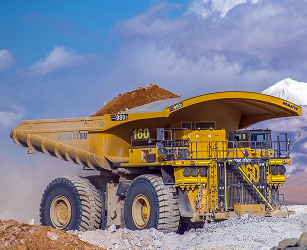
Downtime reduction in earthmoving operations requires more than repairing machines after failure. I recommend combining condition-based preventive maintenance, daily operator inspections, digital monitoring, parts readiness, trained operators, and a defined breakdown-response process. This approach reduces unplanned stoppages while improving equipment availability, repair planning, and project control.
How to Reduce Downtime in Earthmoving Operations: 10 Proven Strategies
- Identify the causes and cost of planned and unplanned downtime.
- Build daily, weekly, monthly, and operating-hour-based inspection routines.
- Adjust preventive maintenance intervals for dust, mud, temperature, workload, terrain, and operating hours.
- Monitor equipment condition with telematics, fault codes, utilization data, and uptime reports.
- Keep critical filters, hoses, seals, wear parts, and Earthmoving Equipment Replacement Parts ready for service.
- Train operators to detect abnormal noise, overheating, leaks, vibration, and performance changes.
- Apply a breakdown-response workflow with fault severity, escalation, parts verification, and return-to-service checks.
What Causes Downtime in Earthmoving Operations?
When I investigate heavy equipment downtime, I usually separate the causes into mechanical, operational, supply, environmental, and planning categories. Mechanical causes include hydraulic leaks, blocked filters, cooling-system failures, undercarriage wear, electrical faults, tire damage, track problems, and engine or transmission failures. Operational causes include incorrect machine use, overloading, poor warm-up procedures, unsafe travel, and delayed reporting of warning signs.
Weather and site conditions can also change failure risk. Mud increases contamination and track wear, dust restricts cooling airflow and shortens filter life, steep terrain increases hydraulic and drivetrain loads, and high temperatures place additional demand on cooling systems. Parts shortages, unclear work orders, delayed approvals, and inadequate technician coverage can extend a small fault into a full shift or multi-day stoppage.
I recommend recording each event using a consistent downtime code. A practical classification includes mechanical failure, scheduled maintenance, waiting for parts, waiting for labor, operator-related delay, weather, site access, fuel or fluid shortage, and project scheduling. Consistent categories make it easier to identify repeat failures instead of treating every stoppage as an isolated incident.
1. Measure the Financial and Productivity Impact of Downtime
The first step in an earthmoving downtime reduction program is to measure the effect of each lost operating hour. I calculate the direct cost by adding idle labor, standby supervision, replacement rental equipment, technician time, emergency freight, and parts cost. I then estimate the production impact from lost excavation, loading, hauling, grading, or compaction capacity.
A simple calculation is: downtime cost = lost production value + labor cost + rental or replacement cost + repair cost + schedule impact cost. For fleet-level reporting, I also calculate cost per operating hour by dividing total maintenance and downtime-related cost by productive operating hours. This allows me to compare a high-hour excavator with a newer loader using the same financial basis.
| KPI | Calculation | Management use |
|---|---|---|
| Availability | Available scheduled hours ÷ scheduled hours × 100 | Shows how much planned time the machine can operate |
| Utilization rate | Productive operating hours ÷ available hours × 100 | Separates availability from actual machine use |
| MTBF | Operating hours ÷ number of failures | Measures time between unplanned failures |
| MTTR | Repair hours ÷ number of repairs | Shows how quickly failures are corrected |
| Repeat failure rate | Repeat failures ÷ total failures × 100 | Identifies incomplete repairs or recurring causes |
| Cost per operating hour | Downtime and maintenance cost ÷ operating hours | Supports replacement and repair decisions |
I avoid using availability as the only measure. A machine may show acceptable availability while operating below its expected production rate, and a short repair may hide repeated failures. Combining availability, MTBF, MTTR, repeat failures, utilization, and cost per operating hour gives fleet managers a more accurate view of uptime.
2. Create a Condition-Based Preventive Maintenance Program
Preventive maintenance for heavy equipment should use both operating-hour schedules and actual operating conditions. I start with the manufacturer’s service requirements, then adjust inspection frequency when machines work in dust, mud, extreme temperatures, steep terrain, abrasive material, or high-load cycles. A fixed calendar alone may not reflect the real stress placed on an excavator, loader, bulldozer, or haul unit.
Condition-based maintenance uses inspection findings, fluid condition, fault codes, operating temperature, hydraulic pressure, vibration, filter restriction, oil analysis, and component wear to guide service decisions. The purpose is not to service every component earlier than necessary; it is to identify deterioration before it becomes a failure. This reduces unnecessary maintenance while protecting components that face unusual site conditions.
Daily, Weekly, Monthly, and Hour-Based Inspections
I use four inspection layers so that small defects are found before they affect production:
- Daily inspections: Check engine oil, coolant, hydraulic oil, fuel level, visible leaks, hoses, belts, lights, alarms, mirrors, guards, tires, tracks, bucket teeth, cutting edges, and safety systems.
- Weekly inspections: Inspect battery terminals, grease points, track tension, tire condition, undercarriage components, hydraulic fittings, radiator cleanliness, pins, bushings, and attachment connections.
- Monthly inspections: Review service history, fluid trends, fault-code history, wear measurements, fire protection equipment, emergency controls, and component replacement forecasts.
- Operating-hour inspections: Complete manufacturer-specified servicing for engine oil, filters, hydraulic systems, final drives, transmissions, axles, cooling systems, and other major assemblies.
Each inspection should record the machine identification, engine hours, inspector, defect description, severity, photograph where useful, and required action. I classify defects as safety-critical, production-critical, scheduled, or monitor-only. This prevents minor wear from being ignored while stopping the team from removing equipment unnecessarily for issues that can be planned into the next service window.
3. Maintain Fluids, Filters, Hydraulics, Undercarriages, Tires, Tracks, and Safety Systems
Many preventable failures begin with contamination, heat, pressure loss, or wear in systems that receive limited attention. I give special attention to engine and hydraulic fluids because incorrect fluid level, contamination, or missed filter replacement can damage pumps, valves, cylinders, bearings, and engines. Fluid checks should use clean sampling methods and follow the correct grade and replacement requirements for the machine.
Filters require the same discipline. Air filters restricted by dust can reduce engine performance and increase fuel consumption, while blocked fuel filters may cause poor starting or power loss. Hydraulic filters should be monitored for restriction indicators, and radiator and oil-cooler cores should be cleaned according to site conditions rather than a generic schedule.
Hydraulic hoses, fittings, cylinders, and quick couplers need routine inspection for abrasion, bulging, cracking, loose connections, and leakage. Undercarriages should be checked for track tension, roller wear, idler condition, sprocket wear, and packed material. Wheel loaders and similar machines also require tire pressure, sidewall, tread, rim, and axle checks, while bulldozers need regular attention to tracks, cutting edges, blades, and frame components.
Safety systems are part of uptime control because a failed alarm, interlock, light, backup camera, or fire-suppression component can stop a machine from legally or safely operating. I include emergency stops, seat belts, access steps, handrails, warning devices, and visibility equipment in the inspection record. A machine that runs mechanically but cannot be operated safely is not available for production.
!
4. Use Telematics and Construction Equipment Uptime Tracking
Construction equipment uptime tracking gives managers a shared record of engine hours, idle time, location, fault codes, fuel use, utilization, and maintenance events. I use this information to compare scheduled availability with actual production and to identify machines that are running but not contributing enough productive work. Telematics can also show whether a machine is repeatedly overheating, idling excessively, or operating outside expected conditions.
The best system depends on fleet size and operating complexity. A small contractor may need mobile inspection forms, engine-hour reminders, and basic location data, while a larger fleet may require automated fault alerts, work-order integration, component histories, geofencing, utilization reports, and role-based approval workflows. The system should support clear downtime categories rather than only displaying location or fuel data.
I also compare telematics records with operator reports and maintenance work orders. A fault code without technician confirmation may not explain the actual failure, and an operator complaint without machine data may be difficult to prioritize. Combining both sources improves fault severity decisions and helps identify repeat problems.
5. Keep Critical Parts and Suppliers Ready
Parts readiness is one of the most practical ways to reduce downtime caused by supply delays. I identify critical components by failure frequency, lead time, machine importance, interchangeability, and project risk. Typical items include filters, belts, hoses, seals, electrical sensors, relays, fuses, hydraulic fittings, track hardware, bucket teeth, cutting edges, tires, and other wear parts.
For larger fleets, I assign minimum and maximum stock levels to critical parts. The minimum level should reflect expected consumption during the supplier lead time plus a contingency quantity for urgent failures. I also maintain accurate part numbers, machine models, serial numbers, supplier information, and compatibility notes to prevent ordering errors.
Voight Song, formally Xuzhou Voight Song Construction Machinery Co., Ltd., supplies construction, mining, road machinery, and Earthmoving Equipment Replacement Parts. Its listed product categories include hydraulic, electrical, engine, transmission, final drive, undercarriage, cooling, wear, and maintenance parts. The company states that it has supplied parts since 2006, maintains more than 20,000 SKUs, and operates a 5,000-square-meter warehouse serving equipment owners, contractors, distributors, repair companies, and fleet operators.
When sourcing replacement parts, I verify the machine model, serial number, part number, dimensions, connector type, pressure rating, material, and application. Voight Song describes identification support using part numbers, machine models, serial numbers, nameplates, or photographs, which can help reduce incorrect-order delays for mixed-brand fleets. I still require compatibility confirmation before installation, especially for hydraulic, electrical, drivetrain, and safety-related components.
6. Train Operators to Prevent Early-Stage Failures
Operators often detect changes before a fault appears in a maintenance report. I train them to report unusual noise, vibration, smoke, overheating, hydraulic drift, slow cycle times, warning lights, visible leaks, track movement, tire damage, and changes in steering or braking response. Early reporting gives the maintenance team more options than a sudden component failure during peak production.
Operator training should include startup and shutdown procedures, warm-up and cool-down practices, correct attachment use, load limits, travel on slopes, digging technique, refueling controls, cleaning requirements, and daily inspection responsibilities. I also explain why bypassing alarms, operating with low fluid levels, or continuing after a warning can increase repair scope.
I measure training effectiveness through inspection completion, repeat operator-related defects, idle time, damage events, fuel use, and downtime codes. This creates a connection between training and fleet performance rather than treating training as a one-time administrative activity.
7. Apply a Complete Breakdown-Response Workflow
A breakdown-response workflow should begin when the fault is reported, not when a technician reaches the machine. I require the operator to record the location, machine identification, operating hours, symptoms, warning codes, recent work, visible damage, and whether the machine can be moved safely. Photographs and telematics data can reduce the number of diagnostic trips.
I then classify the fault by severity:
- Severity 1: Safety risk, major fluid release, fire risk, uncontrolled movement, or serious structural damage; isolate the machine immediately.
- Severity 2: Production-stopping failure that requires urgent technician and parts allocation.
- Severity 3: Reduced performance or developing fault that can be scheduled before the next production-critical shift.
- Severity 4: Minor defect that can be grouped with planned maintenance.
The work order should identify the responsible technician, required tools, probable parts, approval status, target completion time, and escalation point. After repair, I require a return-to-service inspection, fluid and leak check, fault-code confirmation, controlled function test, attachment test, and operator sign-off. The work order remains open until the machine demonstrates normal operation under relevant site conditions.
8. Complete Root-Cause Analysis for Repeat Failures
Replacing a failed component may restore operation without correcting the cause. For repeat failures, I review the operating environment, installation method, contamination, alignment, lubrication, component specification, operator actions, repair quality, and previous work orders. I also compare failure timing against operating hours, terrain, material type, weather, and workload.
A useful root-cause record includes the failed component, failure mode, evidence, immediate correction, permanent corrective action, responsible person, due date, and verification result. For example, repeated hydraulic hose damage may require routing changes, additional protection, improved clamping, operator guidance, or a different hose specification rather than another identical replacement.
9. Plan Maintenance Around Production Windows
Planned maintenance downtime is different from unplanned downtime because it can be scheduled, staffed, and supplied in advance. I coordinate service windows with project managers so inspections and repairs occur during shift changes, low-demand periods, material delays, or planned equipment rotations. The schedule should protect required production capacity while allowing technicians enough time to complete the work correctly.
I use maintenance backlog age, upcoming service hours, parts availability, technician workload, and project deadlines to set priorities. A deferred task should have a documented risk, revised due date, and responsible owner. Without those controls, postponed maintenance can accumulate until several machines require attention at the same time.
10. Review Fleet Performance Every Month
Monthly review turns downtime records into operating decisions. I compare availability, utilization, MTBF, MTTR, repeat failure rate, cost per operating hour, parts consumption, inspection completion, and overdue work orders by machine and by component system. I also examine whether downtime is concentrated in hydraulics, cooling, undercarriage, tires, electrical systems, or operator-related events.
The review should produce specific actions, such as changing an inspection frequency, stocking an additional hose kit, retraining operators, modifying a work-order approval process, replacing a recurring component, or retiring a machine with excessive repair cost. I assign each action a deadline and verify the result during the next reporting cycle. This creates a continuous control loop for earthmoving fleet management.
Conclusion
How to Reduce Downtime in Earthmoving Operations depends on treating uptime as a managed system rather than a repair department target. I recommend starting with accurate downtime codes and cost calculations, then adding condition-based preventive maintenance, daily inspections, telematics, operator training, critical parts planning, and a documented breakdown-response workflow.
The most effective program measures availability, utilization, MTBF, MTTR, repeat failures, and cost per operating hour together. It also adjusts service intervals for dust, mud, temperature, workload, terrain, and operating hours instead of relying only on fixed calendar dates. For contractors and fleet managers, the next practical action is to audit the past 90 days of downtime, identify the three most common causes, verify replacement-part readiness, and assign measurable corrective actions to each cause.