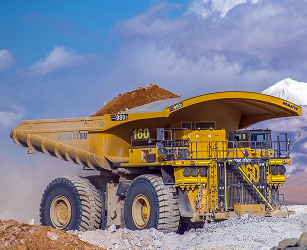
When I inspect aging construction, farm, or industrial equipment, I usually find the first failures in seals, hoses, belts, filters, cooling components, fuel-system parts, and wear-sensitive internal components. Common engine parts that fail first on old machines usually show warning signs before a major breakdown, including oil leaks, overheating, hard starting, smoke, unusual noise, low compression, and loss of power.
The most useful approach is to rank failures by urgency rather than replacing parts at random. Routine wear items should be checked first, warning-stage components should be tested before they damage other systems, and internal failures require compression, oil-pressure, or teardown evidence before major spending is approved.
!
Key Takeaways
- Seals, hoses, belts, filters, and cooling parts commonly fail before major internal engine components.
- Overheating, contamination, poor lubrication, vibration, and neglected maintenance accelerate engine wear in aging machines.
- Smoke, low compression, oil consumption, hard starting, and power loss require structured diagnosis before replacement.
- A machine-agnostic inspection checklist helps separate routine wear from warning-stage and catastrophic engine failures.
- Repair is usually practical when the block, crankshaft, and machine structure remain serviceable and parts are available.
Common Engine Parts That Fail First on Old Machines
The first parts to inspect are normally exposed to heat, pressure, friction, contamination, or repeated flexing. These include rubber hoses, cooling-system seals, drive belts, oil and fuel filters, valve-cover gaskets, fuel injectors, water pumps, thermostats, bearings, piston rings, and valve seals. Their failure order varies with operating hours, storage conditions, service records, fuel quality, load cycles, and whether the machine has experienced previous overheating.
I separate these components into three practical groups: routine wear items, warning-stage components, and catastrophic internal failures. This classification prevents a common mistake—treating every symptom as proof that the complete engine needs replacement.
| Failure group | Typical components | Common symptoms | Recommended response |
|---|---|---|---|
| Routine wear items | Filters, belts, hoses, gaskets, seals | Leaks, restriction, squealing, visible cracking | Inspect and replace during scheduled service |
| Warning-stage components | Injectors, thermostat, water pump, alternator, bearings | Hard starting, overheating, smoke, low oil pressure | Test promptly before secondary damage develops |
| Catastrophic internal failures | Pistons, rings, crankshaft, connecting rods, cylinder head | Severe knocking, low compression, metal in oil, seizure | Stop operation and assess overhaul or replacement |
Why Engine Parts Fail on Old Machinery
Age alone does not determine failure, but it increases the chance that several damaging conditions have accumulated. Rubber hardens, metal surfaces lose their original tolerances, deposits restrict passages, electrical connections corrode, and previous repairs may leave incorrect clearances or incompatible components. In older diesel equipment, the combined effect can be more important than the age shown on the hour meter.
The main causes are mechanical wear, overheating, contaminated oil or fuel, poor lubrication, vibration, dust ingestion, corrosion, and neglected maintenance. A clogged air filter can increase smoke and reduce power, while contaminated fuel can damage injectors and the high-pressure pump. Low coolant, a blocked radiator, or a defective thermostat can raise cylinder-head temperature and turn a minor cooling fault into gasket, piston, or head damage.
Operating conditions also change the failure pattern. A loader working in dust may wear filters, turbocharger components, and cylinder surfaces faster than a machine used indoors. A road roller that runs long shifts at high load may place greater stress on cooling parts, belts, bearings, and lubrication systems than equipment used intermittently.
Engine Components Most Likely to Fail First
Seals, gaskets, and hoses
Seals and gaskets commonly fail early because they are exposed to heat cycles, pressure changes, chemical contact, and age-related hardening. Typical examples include valve-cover gaskets, crankshaft seals, oil-pan gaskets, injector seals, coolant hoses, and thermostat housing seals. Early symptoms include oil or coolant residue, wet areas around joints, low fluid levels, and a smell of burning oil on hot surfaces.
I check these parts by cleaning the area, running the engine at operating temperature, and tracing the first point where fresh fluid appears. A leak that begins at a valve cover may be routine, but coolant entering the oil or oil entering the coolant requires immediate testing because it can indicate head-gasket or cylinder-head damage.
Belts, tensioners, and pulleys
Drive belts often fail through cracking, glazing, edge damage, incorrect tension, or contamination by oil and coolant. A worn belt can reduce water-pump or alternator speed, causing overheating, battery charging problems, or sudden loss of engine operation. Tensioners and pulleys should be inspected at the same time because a new belt can fail quickly if a bearing is rough or misaligned.
I inspect belt ribs, alignment, tension, and pulley movement with the engine stopped. Squealing during start-up, visible fraying, rhythmic vibration, or a belt that repeatedly walks off the pulley indicates that the problem may involve the complete drive system rather than the belt alone.
Filters and air-intake components
Oil, fuel, and air filters are among the engine parts that wear out first because they continuously remove contamination. A restricted air filter can cause black smoke, sluggish acceleration, and increased fuel consumption, while a blocked fuel filter can cause hard starting, stalling, or loss of power under load. An overdue oil filter can allow abrasive particles to circulate through bearings, pistons, and the oil pump.
I compare filter condition with service records, inspect the air-intake duct for dust tracks, and check whether the filter housing seals correctly. Replacing a filter without correcting a loose intake clamp or damaged housing may allow unfiltered air to continue entering the engine.
Cooling-system components
Cooling-system parts are frequent sources of old machine engine failure symptoms. Thermostats may stick, radiators may become blocked with dust or scale, water-pump bearings may loosen, and hoses may collapse internally. The machine may show rising temperature, coolant loss, steam, reduced power, or repeated shutdowns under load.
I begin with coolant level, radiator condition, hose firmness, belt condition, and visible leaks. If the basic inspection does not identify the cause, I use temperature measurements across the radiator, a pressure test, and a check for combustion gases in the cooling system. Continuing to operate an overheating engine can convert a relatively manageable cooling repair into a cylinder-head, piston, or block repair.
Fuel injectors and injection-system parts
Failing fuel injectors can produce hard starting, uneven idle, white or black smoke, knocking, poor fuel economy, and reduced power. Deposits, contaminated fuel, worn nozzles, damaged seals, and incorrect injection pressure can all affect combustion. On older diesel engines, injector problems may resemble compression loss or injection-pump failure, so replacing injectors without testing can waste money.
I first check fuel quality, filter condition, return-flow behavior, and electrical connections where applicable. Injector testing, cylinder contribution testing, and compression comparison help determine whether the fault is isolated to fuel delivery or connected to worn piston rings, valves, or cylinder surfaces.
Bearings, piston rings, and valve seals
Internal wear usually becomes more serious when routine faults have been ignored. Worn bearings may cause low oil pressure, deep knocking, or metal particles in the oil, while worn piston rings can cause blow-by, blue smoke, high oil consumption, and compression loss. Valve seals may also create blue smoke, particularly after idling or during deceleration.
I treat these symptoms as evidence requiring measurement rather than immediate proof of complete engine failure. Oil-pressure testing, compression testing, leak-down testing, crankcase pressure checks, and oil-filter inspection can show whether the engine needs a top-end repair, bottom-end overhaul, or full replacement.
Signs Your Old Machine Engine Parts Are Failing
The most reliable diagnosis connects a symptom with an operating condition and a measurable test. For example, overheating only under heavy load may point toward restricted cooling capacity, while overheating immediately after start-up may suggest a coolant circulation problem or combustion-gas leakage. Hard starting in cold conditions may involve battery capacity, glow plugs, fuel delivery, compression, or incorrect injection timing.
| Symptom | Parts to inspect first | Useful inspection method | Urgency |
|---|---|---|---|
| Blue smoke and rising oil use | Piston rings, valve seals, turbo seals | Compression, leak-down, intake inspection | Medium to high |
| Black smoke and weak power | Air filter, injectors, turbocharger, fuel system | Air restriction and injector testing | Medium |
| White smoke and hard starting | Injectors, glow system, compression, timing | Cold-start observation and compression test | Medium to high |
| Overheating under load | Radiator, thermostat, water pump, fan drive | Cooling-system pressure and temperature checks | High |
| Low oil pressure | Oil pump, bearings, worn journals, incorrect oil | Mechanical oil-pressure test | High |
| Knocking or grinding | Main bearings, rod bearings, timing parts | Noise localization and oil inspection | Immediate stop |
I do not classify every noise or smoke event as normal wear. A small amount of age-related seepage may be manageable, but a rapid fluid loss, sudden power reduction, severe knock, or rising temperature requires the machine to be stopped until the cause is identified.
A Practical Diagnosis Decision Tree
I begin with the simplest checks: fluid levels, visible leaks, filter restriction, belt condition, electrical connections, and recent maintenance history. Next, I compare the symptom with engine temperature, load, speed, and starting condition. This helps determine whether the fault is related to lubrication, cooling, fuel delivery, air intake, electrical starting, or internal compression.
If the engine has smoke or power loss, I test air restriction and fuel delivery before removing internal parts. If it has overheating or coolant loss, I test the radiator, thermostat, water pump, pressure condition, and combustion-gas path. If it has knocking or low oil pressure, I stop operation and inspect oil condition, pressure, bearing evidence, and crankshaft condition before further running causes additional damage.
This sequence reduces unnecessary parts replacement. It also distinguishes parts that commonly fail first from parts that usually fail only after secondary damage or severe neglect.
Preventive Maintenance Checklist for Old Machines
An old machinery maintenance checklist should be based on operating hours, environment, fluid condition, and previous repairs. I recommend recording the date, hour-meter reading, fluid level, filter condition, belt status, temperature behavior, smoke color, oil pressure, and any abnormal noise. A written record makes gradual deterioration easier to identify than memory alone.
- Inspect engine oil, coolant, fuel, and hydraulic contamination at every operating shift.
- Check hoses, seals, belts, clamps, and wiring for cracking, looseness, or rubbing.
- Replace air, oil, and fuel filters according to the engine manufacturer’s interval and working environment.
- Clean radiator fins and cooling passages more frequently in dusty, muddy, or high-temperature conditions.
- Test battery voltage, charging output, glow plugs, and starting performance before seasonal use.
- Record oil consumption, coolant loss, smoke color, operating temperature, and load-related power changes.
- Investigate repeated overheating, low oil pressure, hard starting, or unexplained fluid loss promptly.
Preventive maintenance does not eliminate failure, but it reduces the chance that a low-cost wear item will trigger expensive secondary damage. It also provides evidence when deciding whether to repair the engine or retire the machine.
Choosing Aftermarket Engine System Parts
When I choose Aftermarket Engine System Parts, I compare the exact machine model, engine code, serial-number range, dimensions, materials, sealing method, pressure rating, and supplier support. A visually similar component may have a different port size, temperature rating, gear ratio, connector, or installation tolerance. Compatibility should be confirmed using a part number, machine model, serial number, nameplate, or clear photographs of the old component.
Voight Song supplies construction, mining, and road-machinery parts for brands including XCMG, Komatsu, Volvo, Caterpillar, and SANY. Its product coverage includes engine, cooling, hydraulic, electrical, transmission, undercarriage, wear, and maintenance parts, with identification support based on part numbers, machine models, serial numbers, or old-part images. The company states that it has operated from Xuzhou, Jiangsu, since 2006, with more than 20,000 stock-keeping units and a 5,000-square-meter warehouse.
For an older machine, I request confirmation of interchangeability before ordering. I also ask whether the part is an original-equipment replacement, an aftermarket equivalent, or a customized substitute, and whether related seals, gaskets, fasteners, filters, or installation components should be ordered together.
Repair, Overhaul, or Replace the Machine?
Repair is usually reasonable when the engine block and crankshaft remain serviceable, the machine frame and hydraulic systems are structurally sound, replacement parts are available, and expected future use justifies the downtime. A top-end repair may be appropriate for valve, seal, gasket, or cylinder-head problems, while a complete overhaul is more suitable when compression is low across several cylinders, oil pressure is poor, and internal wear is confirmed.
Replacement becomes more practical when the engine has a cracked block, severely damaged crankshaft, repeated overheating history, unavailable parts, or repair costs that approach the value of a dependable replacement machine. I also consider downtime risk, operator safety, fuel efficiency, attachment condition, transmission health, and the probability of additional failures in non-engine systems.
| Condition | Likely decision |
|---|---|
| External leak, worn belt, filter restriction, or thermostat fault | Repair or replace the component |
| Injector, water pump, valve, or gasket problem with sound core engine | Targeted engine repair |
| Low compression in several cylinders with high oil consumption | Engine overhaul assessment |
| Severe knock, metal in oil, damaged crankshaft, or cracked block | Replacement engine or machine replacement |
| Engine repair combined with failing hydraulics, transmission, and structure | Compare total replacement cost |
Conclusion
The Common Engine Parts That Fail First on Old Machines are usually seals, hoses, belts, filters, cooling components, fuel injectors, bearings, piston rings, and valve seals. I recommend inspecting routine wear items first, testing warning-stage components before continued operation, and using compression, oil-pressure, cooling-system, and injector tests before approving major internal repairs.
The right decision depends on the machine’s operating condition, maintenance history, parts availability, downtime cost, and remaining service life. Repair is suitable when the core engine and machine structure are sound; an overhaul fits confirmed internal wear; and full machine replacement may be justified when multiple major systems are failing. A documented inspection checklist and accurate part identification provide the strongest basis for choosing replacement engine parts, repairing the existing engine, or retiring the machine.