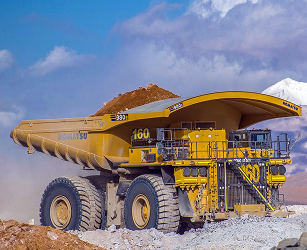
When structural protection, mounting integrity, visibility, or several cab systems have failed beyond economical repair, full replacement may be safer and more practical than continued repairs. In this guide, I explain the 5 signs your excavator cab needs full replacement, how cab damage relates to machine performance, and what I check before approving a replacement excavator cab.
!
Key Takeaways
- Cracked frames, bent pillars, damaged ROPS/FOPS structures, and corroded mounts can require complete cab replacement.
- Repeated glass, door, control, and electrical repairs may cost more than installing a compatible replacement cab.
- Hydraulic leaks, engine behavior, undercarriage wear, and unusual noises must be assessed separately from cab damage.
- A replacement cab must match the excavator model, serial range, mounting points, glazing, controls, and safety equipment.
- Post-installation checks should confirm fastener security, visibility, seat-belt operation, alarms, controls, and protective structures.
5 Signs Your Excavator Cab Needs Full Replacement
1. The cab frame or protective structure is damaged
The clearest reason for full excavator cab replacement is structural damage that affects operator protection. I look for cracked or bent front pillars, distorted roof sections, separated welds, twisted door frames, crushed corners, and deformation around the windshield opening. Damage from a rollover, falling object, collision, or severe impact can compromise the original geometry even when the cab still appears usable from inside.
A damaged ROPS or FOPS structure should not be treated like a cosmetic panel. These protective structures are designed as part of a specific cab and machine configuration, so straightening or welding a damaged member may change its load path and protective performance. If the protective frame, roof, pillars, or mounting points are deformed, I recommend a qualified inspection before any repair decision is made.
What damage requires full excavator cab replacement?
Full replacement is generally the stronger option when the cab frame is cracked, multiple pillars are bent, ROPS/FOPS components are damaged, or mounting points have moved from their original position. The same applies when corrosion has reduced the thickness of structural members or when previous repairs have created overlapping cracks and welds. Replaceable items such as handles, mirrors, seats, wiper motors, and isolated panels do not automatically require a complete cab.
2. Corrosion has weakened the cab and mounting points
Surface rust on a removable panel is different from corrosion in the cab floor, lower frame, door posts, roof supports, or cab mounts. I inspect areas where water, mud, salt, hydraulic oil, and condensation collect, especially beneath floor mats and around drain holes. Flaking steel, perforation, deep pitting, swollen seams, and rust extending through mounting brackets indicate that the problem may be structural rather than cosmetic.
Corroded mounting points deserve particular attention because they transfer cab loads to the excavator upper structure. If a mount is weakened, the cab can shift, vibrate, leak, or place abnormal stress on the remaining fasteners. Repair may be possible when corrosion is localized and the surrounding steel remains sound, but widespread corrosion often makes a complete replacement cab more predictable.
3. Visibility and glazing can no longer be restored economically
Safe excavator operation depends on clear visibility through the windshield, side windows, roof glass, and door glass. Cracked safety glass, deep scratches, clouded laminated panels, damaged seals, distorted frames, and doors that do not close squarely can create blind spots and allow dust or water into the operator area. Replacing one window is usually a component repair, but repeated glazing failures may point to a twisted cab frame.
I compare the number and cost of required components before deciding between repair and replacement. If the cab needs several glass panels, a door assembly, seals, hinges, wiper equipment, and frame correction, the combined labor can approach the cost of a replacement excavator cab. Visibility problems should never be judged only by appearance; the operator must be able to see the work area, attachment, travel path, and nearby personnel.
4. Cab controls, alarms, or operator-protection systems repeatedly fail
A replacement decision may be justified when several cab systems fail at the same time or continue to fail after repair. I check the seat belt, seat suspension, control levers, joysticks, instrument panel, warning alarms, lighting, heater, defroster, windshield wiper, and emergency access points. A single failed switch may be inexpensive to replace, but damaged wiring, unreliable controls, and repeated alarm faults can create operational and safety risks.
The seat belt and operator restraint deserve special attention after an impact or rollover. The belt anchor, seat base, cab floor, and surrounding mounting structure must remain secure and correctly aligned. If the cab floor or restraint mounting area is bent, cracked, or heavily corroded, replacing only the belt may leave the underlying risk unresolved.
5. Repair costs and recurring failures exceed the cab’s practical value
The fifth sign is financial, but it should be calculated alongside safety and downtime. I add the cost of structural repairs, glass, seals, doors, controls, wiring, seat components, painting, technician labor, machine downtime, and repeat inspections. If the repair estimate approaches the price of a compatible replacement cab, full replacement may provide a clearer scope and reduce the chance of additional failures caused by hidden damage.
This decision should also consider the excavator’s age, operating hours, market value, remaining service life, and overall mechanical condition. An older machine may still justify cab replacement when the engine, hydraulic system, swing system, and undercarriage are serviceable. However, if the excavator also has major hydraulic leaks, poor engine performance, worn tracks, final-drive problems, or repeated breakdowns, I compare the complete repair budget with the machine’s current market value before authorizing cab work.
Mechanical Red Flags That Should Be Assessed Separately
Cab damage is only one part of an excavator replacement decision. Before investing in a new operator cab, I inspect hydraulic performance, engine behavior, undercarriage wear, fluid leaks, and unusual noises. Slow cycle times, hydraulic drift, overheating, hard starting, excessive smoke, track-chain wear, sprocket damage, final-drive noise, and recurring oil leaks can indicate that the machine needs broader refurbishment.
These conditions do not automatically mean the excavator should be replaced. A machine with a damaged cab but a tested hydraulic pump, stable engine, serviceable undercarriage, and clean maintenance history may be a good candidate for cab replacement. By contrast, a machine with serious mechanical failures may require a total ownership-cost review rather than a cab-only repair decision.
| Inspection area | Warning signs | Effect on cab replacement decision |
|---|---|---|
| Hydraulics | Slow functions, drift, overheating, contaminated oil | May increase total repair budget and downtime |
| Engine | Hard starting, smoke, unstable idle, high temperature | May reduce the machine’s remaining economic life |
| Undercarriage | Worn chains, sprockets, rollers, or idlers | May require major investment beyond the cab |
| Mounting structure | Loose bolts, cracked brackets, corrosion, movement | Can require structural cab replacement |
| Cab systems | Failed alarms, controls, wipers, glass, or seat belt | Helps determine whether component repair is sufficient |
Excavator Cab Repair vs Replacement: A Practical Decision Framework
When I assess excavator cab repair vs replacement, I separate removable components from structural members. Door handles, mirrors, wiper motors, seats, switches, isolated glass panels, seals, and trim can often be replaced without changing the entire cab. Structural pillars, roof sections, ROPS/FOPS parts, floor sections, mounting brackets, and severely distorted frames require a much more cautious decision.
| Condition | Usually repairable | Full replacement should be considered |
|---|---|---|
| Door | Hinge, latch, seal, or handle damage | Door opening is distorted or the frame no longer aligns |
| Glass | One cracked panel with a sound frame | Multiple panels are damaged or the frame is twisted |
| Corrosion | Localized surface rust on nonstructural panels | Perforation affects floor, pillars, mounts, or roof supports |
| Controls | One switch, gauge, or wiring section fails | Multiple systems fail because of damaged wiring or impact |
| Structure | Small nonstructural panel damage | Cracked frame, bent pillars, damaged ROPS/FOPS, or moved mounts |
| Cost | Repairs remain controlled and documented | Repairs approach replacement cost and downtime continues |
A repair is more defensible when the cab remains square, protective structures are undamaged, mounting points are sound, and the required components are clearly identified. Full replacement becomes more appropriate when damage is widespread, hidden corrosion is likely, or a repair would require extensive cutting, welding, alignment, and repeated inspection. I also require documentation showing what was repaired, which parts were replaced, and how safety functions were checked.
How Excavator Cab Replacement Works
A practical replacement process starts with identification and inspection. I record the excavator make, model, serial number, production range, cab part number, mounting configuration, window arrangement, door position, control layout, HVAC requirements, and electrical connections. Photos of the damaged cab, nameplate, mounting points, dashboard, interior controls, and glass openings help a supplier confirm compatibility.
The next stage is comparing OEM excavator cab and aftermarket excavator cab options. An OEM cab may provide the closest match for factory fitment, controls, glazing, and documentation, while an aftermarket cab may offer a suitable alternative when the original part is discontinued or priced beyond the repair budget. I do not approve a substitute based on appearance alone; the mounting dimensions, operator protection design, seat-belt anchors, glazing type, access points, and control arrangement must be reviewed.
Removal normally includes isolating electrical power, securing the upper structure, removing glass or attached components when necessary, disconnecting controls and HVAC lines, supporting the cab, and releasing the mounting fasteners. Installation requires careful alignment of the cab mounts, correct fastener grades and tightening procedures, reconnection of controls and wiring, sealing of openings, and adjustment of doors and windows. The exact procedure depends on the machine model and the replacement cab configuration.
After installation, I check every safety-related function before the excavator returns to service. This includes seat-belt engagement, seat adjustment, door latching, emergency access, windshield wiper operation, defroster performance, warning alarms, control response, lighting, mirrors, glass condition, and cab movement under normal machine operation. The final record should include the replacement cab identification, inspection results, photographs, fastener or mount checks, and any remaining maintenance recommendations.
Excavator Cab Replacement Cost: What Changes the Price?
The excavator cab replacement cost depends on the machine model, serial range, cab specifications, supplier, shipping requirements, labor, and included components. A basic shell may cost less than a complete cab supplied with glass, doors, seats, controls, wiring, HVAC equipment, wipers, and interior trim. Older machines can also require custom sourcing because the original cab may no longer be available as a standard catalog item.
I ask suppliers to separate the quotation into cab assembly, glazing, doors, seats, controls, electrical parts, seals, freight, packaging, installation labor, and taxes or import charges. This prevents a low initial price from excluding components that must later be purchased separately. It also makes OEM, aftermarket, used, and custom replacement options easier to compare.
The financial decision should include downtime and repeat repair exposure. If a repair requires several visits, temporary protection, repeated glass replacement, or uncertain structural correction, the lost operating time can materially increase the total cost. A replacement cab may be financially reasonable when it restores the operator station in one planned maintenance period and the rest of the excavator remains mechanically viable.
Choosing a Replacement Excavator Cab Supplier
When I review a supplier, I look for documented experience with construction machinery parts, model and serial-number identification, compatibility verification, and clear handling of OEM and alternative components. Aftermarket Heavy Equipment Cabs should be evaluated by fit, structural configuration, glazing, controls, mounting points, and available documentation rather than by price alone. The supplier should also explain what is included and what the installer must reuse from the original cab.
Voight Song is one supplier I would consider for sourcing discussions because its stated product coverage includes cab systems and excavator parts across brands such as XCMG, Komatsu, Volvo, Caterpillar, and SANY. The company identifies equipment parts using details such as part numbers, machine models, serial numbers, nameplates, and product photographs. For older machines or mixed-brand fleets, that identification process can help reduce compatibility errors before an order is placed.
I would still request a model-specific quotation, dimensional confirmation, component list, shipping terms, and installation requirements before making a purchase. A supplier’s inventory scale or brand coverage does not replace a technical inspection of the damaged cab. The final choice should be based on structural suitability, safety-system compatibility, total installed cost, and the excavator’s remaining service life.
Conclusion
The 5 signs your excavator cab needs full replacement are structural or protective damage, severe corrosion, visibility problems, repeated safety-system failures, and repair costs that no longer make economic sense. I would not approve a complete replacement solely because a cab looks old, but cracked pillars, damaged ROPS/FOPS members, weakened mounting points, distorted door openings, and widespread corrosion require a formal inspection. Mechanical conditions such as hydraulic performance, engine behavior, undercarriage wear, leaks, and unusual noises should also be reviewed before investment.
The next step is to document the excavator model, serial number, cab damage, mounting areas, glass, controls, and safety equipment. Then compare component repair with a complete replacement cab using a written cost breakdown that includes parts, labor, freight, downtime, and post-installation testing. A qualified heavy-equipment cab supplier or technician can help confirm whether the existing structure is repairable or whether a replacement excavator cab is the safer and more practical solution.